













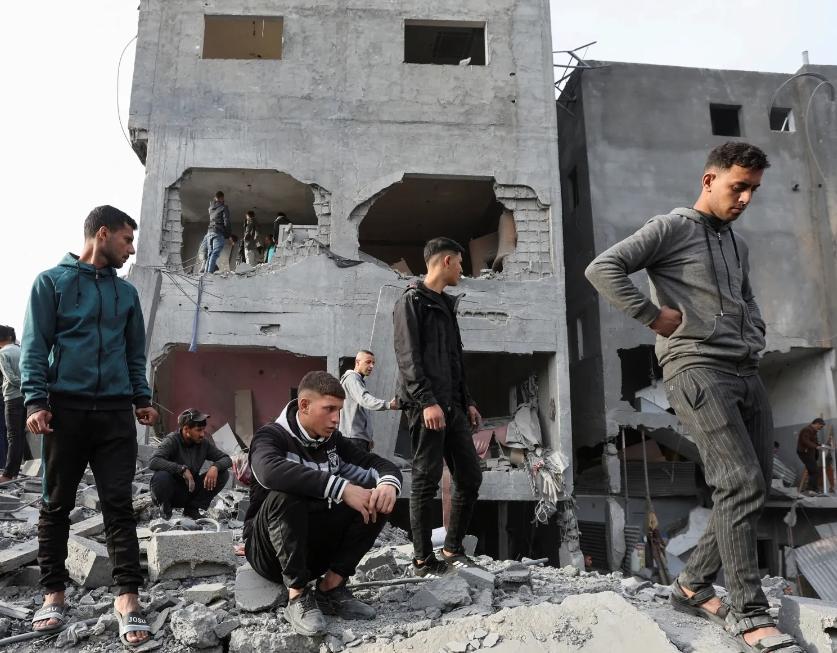
Six months after the October 2025 ceasefire, the humanitarian situation in Gaza remains critical, with continued civilian casualties, widespread infrastructure damage, and severe restrictions on essential services, according to reports from the Office of the High Commissioner for Human Rights and other international agencies.
Persistent casualties despite ceasefire
Data from OHCHR and Gaza’s Health Ministry indicate that at least 738 Palestinians have been killed by Israeli forces since the ceasefire took effect on October 10, 2025.
The trend has continued into April 2026, with at least 32 deaths reported since the start of the month. The UN High Commissioner for Human Rights described the situation as an “unrelenting pattern of killings,” noting fatalities across homes, shelters, medical facilities, and transit routes.
Humanitarian system under severe strain
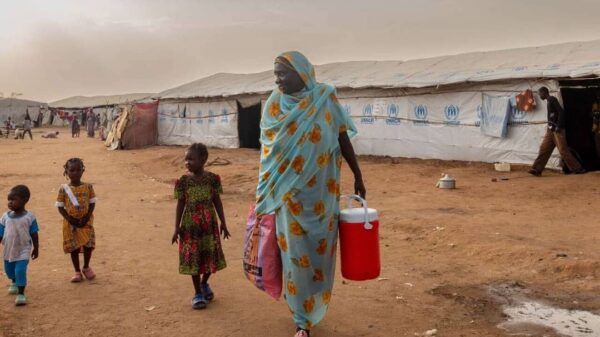
Organizations including the World Food Programme, World Health Organization, and UNICEF report that the ceasefire has failed to significantly improve civilian protection or living conditions.
Aid workers have been particularly affected, with at least 589 killed since October 2023—one of the highest tolls recorded in modern conflicts.
Journalists also face significant risks, raising concerns about independent reporting from the territory.
Collapse of essential services
Access to basic services remains critically limited. Damage to power lines supplying desalination plants has reduced access to clean water for around 500,000 people.
The healthcare system is described as largely collapsed, with severe shortages of supplies and delays in the entry of specialized medical equipment, worsening conditions for vulnerable patients.
Rising violence in the West Bank
Violence has also intensified in the occupied West Bank, with the United Nations reporting increased settler-related attacks, including assaults, property destruction, and intimidation.
Displacement is rising as Palestinians are forced from their homes due to both violence and access restrictions.
Outlook
Humanitarian agencies warn that without improved access, protection mechanisms, and infrastructure recovery, conditions are likely to deteriorate further.
The situation underscores the fragility of the ceasefire and the urgent need for sustained international engagement to address immediate needs and long-term stability.