






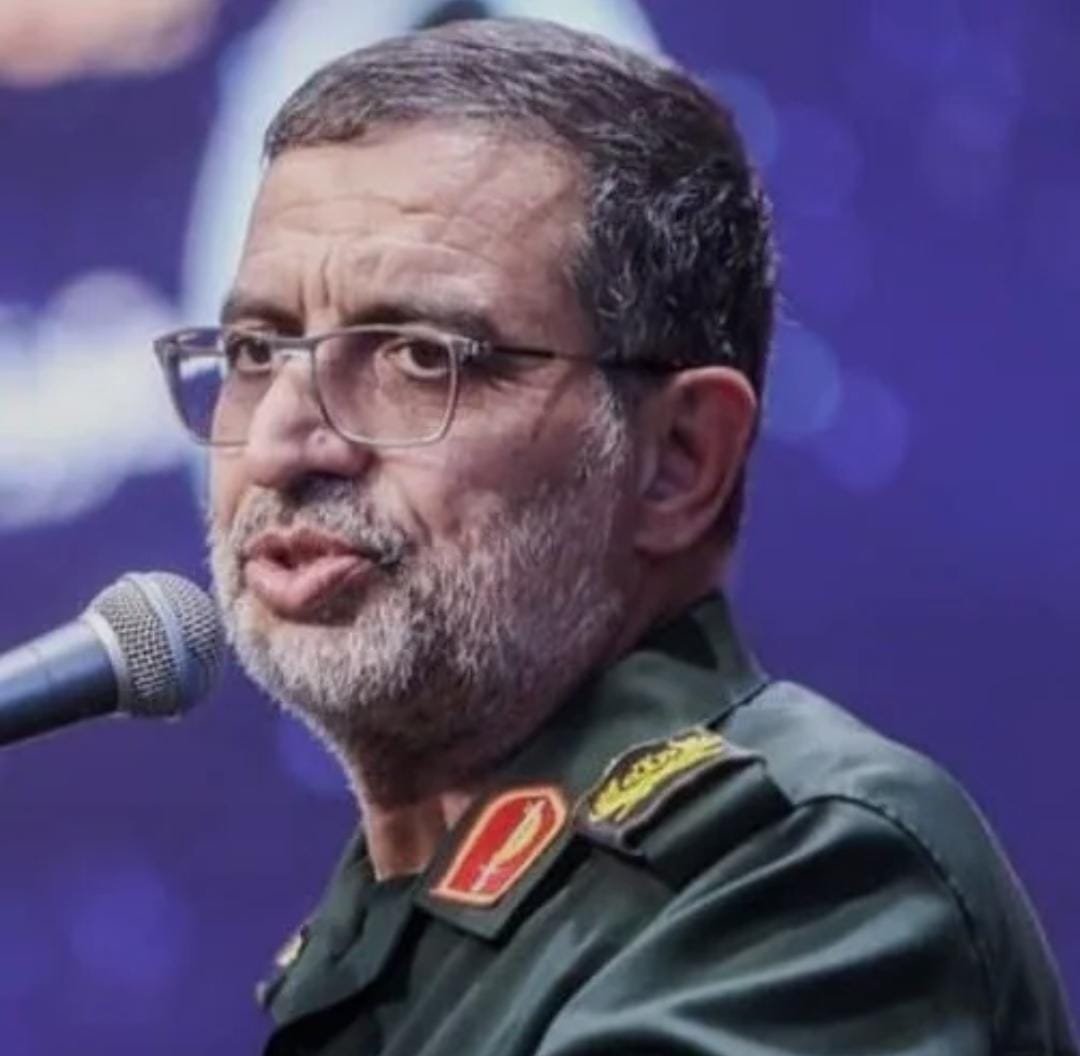
The killing of the spokesperson of Iran’s Islamic Revolutionary Guard Corps in an airstrike on eastern Tehran marks a significant escalation in the ongoing conflict and reflects a clear shift toward targeting senior leadership figures.
The strike came just hours after the official appeared on state television asserting that Iran’s missile capabilities remained fully operational, contradicting opposing assessments. Analysts say the timing underscores the use of real time intelligence and an effort to silence influential wartime messaging figures.
The operation forms part of a broader pattern of strikes against high ranking individuals that has reshaped Iran’s political and military hierarchy. Official reports confirm the deaths of several senior figures within a short timeframe suggesting a coordinated effort to weaken command and control structures.
At the same time differences are emerging between actors involved in the campaign with some pushing for internal political change while others emphasize degrading military capabilities and securing key maritime routes.
On the ground pressure on regional stability continues as shipping through a major maritime corridor remains disrupted while competing narratives persist over the extent of damage to Iran’s military capacity.
Inside the country conditions appear subdued with limited public activity and reduced social gatherings reflecting a broader atmosphere of uncertainty.
Humanitarian concerns are growing as civilian casualties continue to draw international attention and calls for restraint intensify.
Diplomatic repercussions are also expanding with some states taking measures that signal increasing concern over the trajectory of the conflict.
With operations ongoing and leadership losses mounting the situation remains highly volatile with the potential for further escalation.