







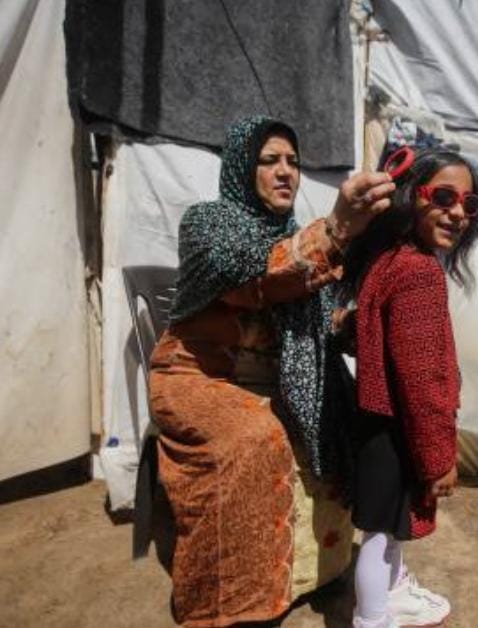
Traditional celebrations have been significantly subdued across the Middle East as escalating conflict and worsening humanitarian conditions overshadow festive periods.
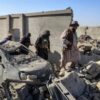
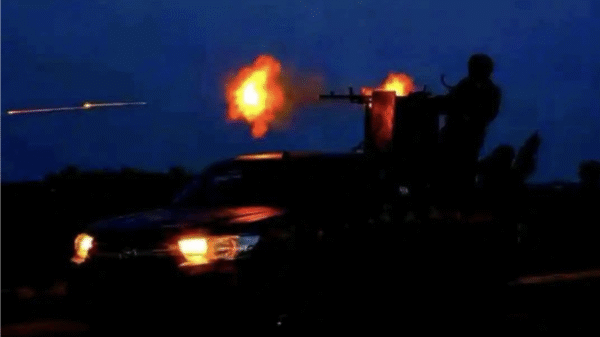
The region has experienced sustained military escalation in recent weeks with air and missile strikes targeting strategic sites and senior leadership figures as the confrontation expands.
Iran has responded with coordinated missile and drone attacks while tensions have disrupted maritime activity in a key global shipping route leading to sharp increases in energy prices.
Humanitarian conditions continue to deteriorate across multiple fronts with Lebanon facing mass displacement exceeding one million people alongside severe damage to civilian infrastructure and strained healthcare systems.
In Gaza the crisis remains acute with shortages of food medicine and essential supplies driving extreme inflation and making basic needs increasingly inaccessible.
Inside Iran internal displacement is rising as major urban centers face strikes while damage to economic and cultural sites adds to existing challenges.
Despite ongoing hostilities reports indicate limited efforts to reopen communication channels between opposing sides though no tangible progress toward de escalation has been achieved.
International actors have called for restraint and the protection of civilians warning of catastrophic consequences if military operations continue unchecked.
As a result festive traditions have been overshadowed with celebrations replaced by uncertainty and concern across affected communities.
Observers say the overlap of major cultural and religious occasions with escalating crises highlights the depth of the region’s challenges as prospects for stability remain unclear.