












A deadly attack on a military installation in northern Benin has renewed fears that jihadist violence from the Sahel is steadily expanding toward the coastal states of West Africa.
According to official military reports, at least fifteen soldiers were killed and five others wounded when militants linked to Jama’at Nusrat al-Islam wal-Muslimin launched an assault on a military position near the town of Kofouno in the country’s northern border region.
Military officials said heavily armed fighters stormed the camp in a coordinated operation, striking one of the army’s forward positions near the frontier with Niger.
A military spokesman confirmed the casualties and said the wounded soldiers were receiving medical treatment for injuries described as not life-threatening.
Responsibility for the attack was later claimed by Jama’at Nusrat al-Islam wal-Muslimin, a jihadist coalition affiliated with al-Qaeda that operates across large areas of the Sahel.
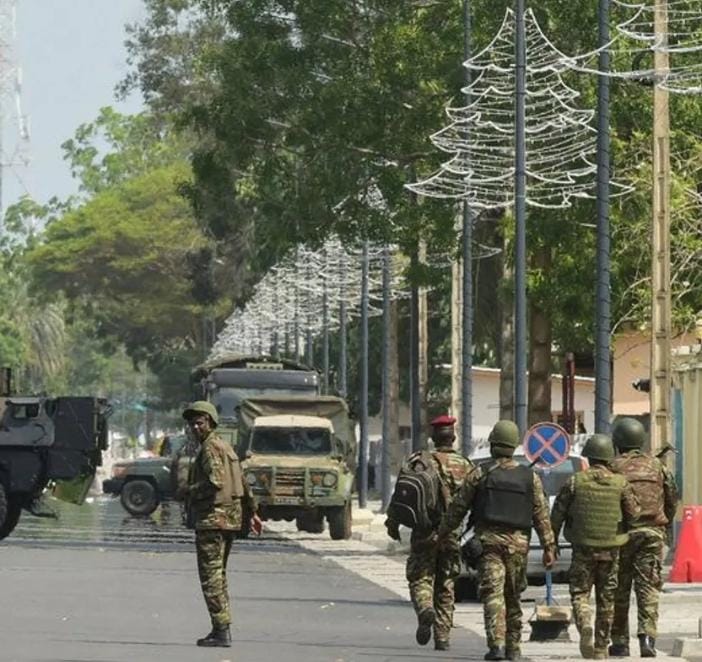
In response to the assault, Beninese security forces launched search and pursuit operations across the affected border areas in an effort to track the attackers and prevent further incursions into national territory.
Authorities have not yet released the identities of the soldiers killed in the attack, a standard procedure until their families have been formally notified.
Security analysts say the incident reflects a broader shift in the regional security landscape.
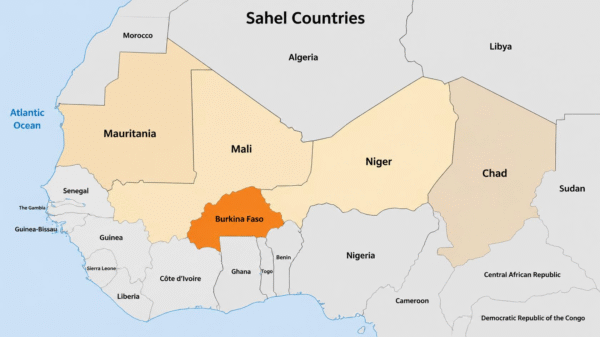
Militant groups that built their power bases in Mali, Burkina Faso and Niger have increasingly pushed southward toward countries along the Gulf of Guinea, exploiting porous borders and remote forest areas.
The region where the attack occurred lies near the vast forest zones surrounding two major protected parks that stretch across the frontier area. Security officials say these dense landscapes have become important transit corridors and hiding places for militant networks moving between the Sahel and coastal states.
The latest assault follows another major attack in which jihadist fighters killed nearly thirty Beninese soldiers at a forward operating base the previous year, one of the deadliest incidents in the country’s recent military history.
The security challenge also unfolds against a backdrop of internal and regional political pressures.
Benin experienced heightened political tensions late last year after authorities said they had thwarted a coup attempt, an episode that analysts believe temporarily diverted attention from military operations along the northern frontier.
At the same time, neighboring Nigeria has expanded security cooperation with Benin, including intelligence sharing and providing air support during previous counter-militant operations near the border.
Regional stability in coastal West Africa has taken on additional geopolitical importance as global tensions reshape trade and shipping routes, increasing the strategic value of secure corridors along the Gulf of Guinea.
Security experts warn that the continued southward expansion of militant networks could significantly alter the region’s security landscape.
Countries including Benin, Togo and Ghana have strengthened troop deployments in their northern territories in an effort to block further infiltration by armed groups.
Despite these measures, the latest attack underscores the persistent threat posed by well-organized militant organizations operating across West Africa’s porous borders.