











Kenya is facing escalating unrest over a U.S.-funded Ebola quarantine facility being built at Laikipia Air Base in Nanyuki, central Kenya, in a controversy that has evolved from a public health issue into a broader political, legal, and security dispute.
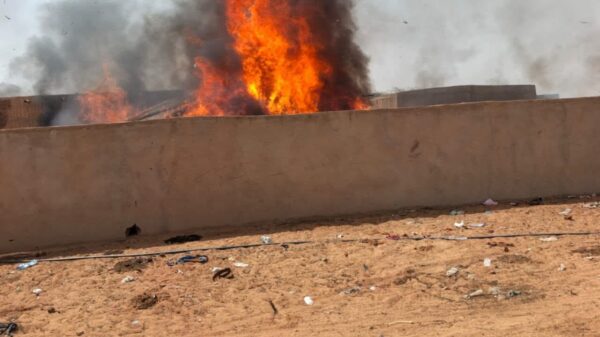
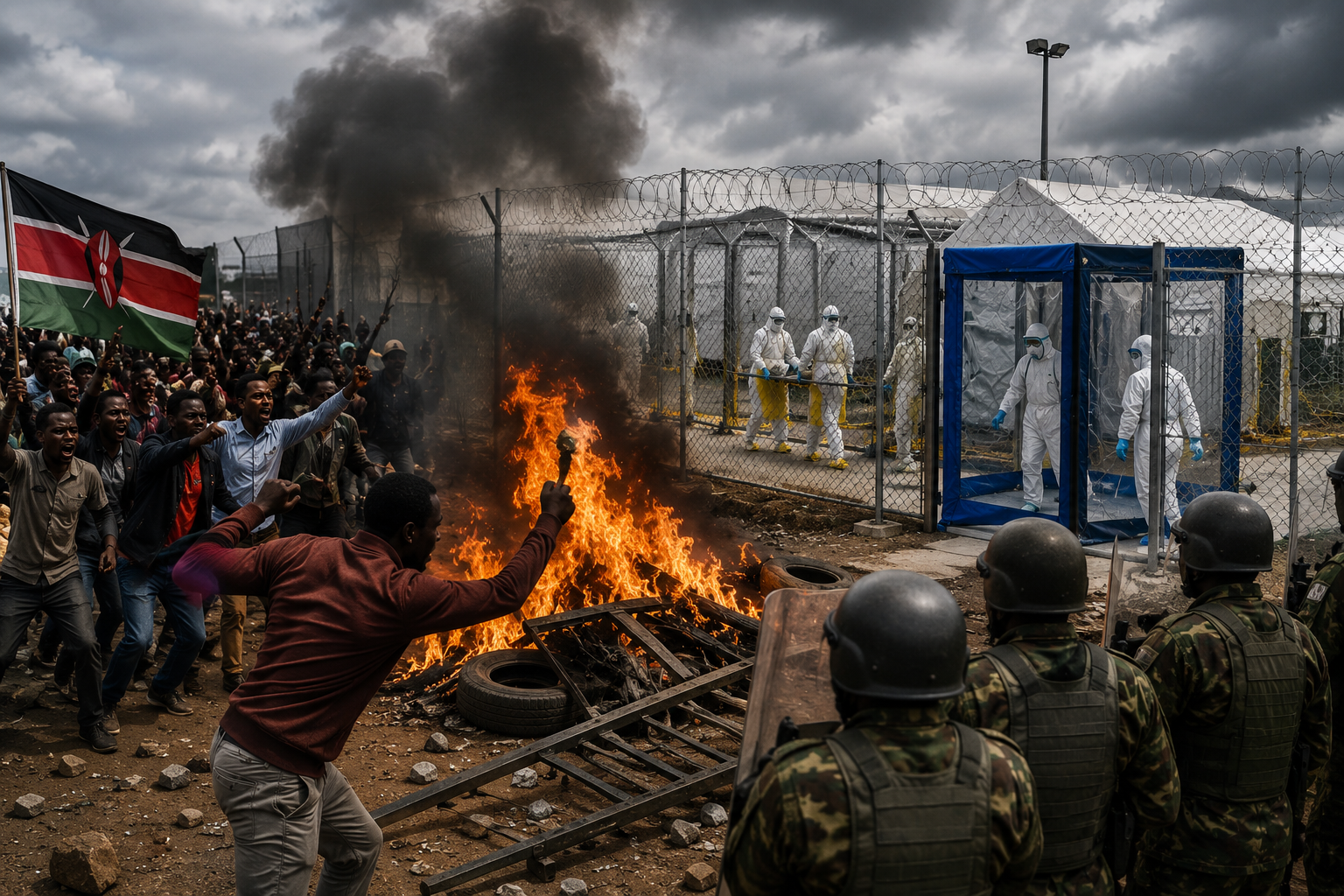
The clashes have already claimed at least three lives. A third protester was reportedly killed this week after being shot by police during renewed demonstrations, while dozens of others have been injured or arrested.
A Facility at the Center of Controversy
The project consists of a 50-bed quarantine unit located within the Kenyan Air Force’s Laikipia Air Base.
According to officials, the facility is intended to accommodate American citizens—including medical personnel and aid workers—who may have been exposed to Ebola outbreaks in Uganda and the Democratic Republic of Congo but who are not showing symptoms.
The facility is expected to be operated by personnel from the U.S. Public Health Service as part of broader epidemic preparedness efforts.
Why Are Residents Opposed?
Many residents argue that the project imports unnecessary health risks into a country that has not recorded any Ebola cases.
Opponents contend that hosting individuals potentially exposed to one of the world’s deadliest diseases poses a direct threat to local communities and could strain Kenya’s healthcare system if containment measures fail.
They also question why Kenya was selected as the site when current outbreak zones are more than 1,500 miles away.
Economic concerns have further fueled opposition. Nanyuki serves as a gateway to major wildlife conservancies and tourism destinations, and local businesses fear that association with Ebola could damage the region’s reputation and discourage visitors.
Legal and Political Tensions
Public anger intensified after Kenya’s High Court ordered a temporary suspension of construction pending a review of the project’s legality and greater transparency regarding the agreements behind it.
However, reports that equipment and personnel continued arriving at the air base after the ruling sparked accusations that the authorities were disregarding judicial oversight.
President William Ruto has defended the project, describing it as part of a broader strategy to strengthen Kenya’s public health preparedness and deepen cooperation with the United States.
Washington has likewise expressed confidence that an agreement can be reached to allow the project to move forward.
Beyond Public Health
Analysts note that the controversy extends well beyond Ebola itself.
For many Kenyans, the debate has become a question of sovereignty, transparency, and public participation in decisions involving foreign-funded projects.
Supporters argue that infectious diseases do not respect borders and that strengthening regional health infrastructure ultimately benefits Kenya and neighboring countries alike.
A Test for U.S.-Kenya Relations
The dispute has become an important test of relations between Nairobi and Washington.
The United States views Kenya as one of its key strategic partners in East Africa, while Kenya relies heavily on American support in health, security, and development.
Yet the scale of the protests highlights growing public sensitivity toward foreign-backed initiatives perceived as serving external interests ahead of local concerns.
With court proceedings ongoing and tensions remaining high, the future of the Nanyuki facility may depend as much on public trust as on its public health rationale.