









In a significant diplomatic breakthrough, Pakistani Prime Minister Shehbaz Sharif announced that the United States and Iran had reached a peace agreement following weeks of intensive negotiations involving several regional actors.
The announcement was quickly reinforced by U.S. President Donald Trump, who confirmed that an agreement had been finalized and announced the lifting of maritime restrictions affecting Iranian trade and navigation routes.
Ceasefire First, Nuclear Talks Later
According to preliminary information, the agreement provides for an immediate halt to military escalation across various theaters linked to the crisis, including the Lebanese front, which has witnessed growing tensions in recent months.
Swiss officials are expected to host technical meetings ahead of a formal signing ceremony scheduled for June 19, with senior American and regional representatives expected to attend.
Sources indicate that negotiators adopted a “separation of files” approach, prioritizing military de-escalation and freedom of navigation while postponing discussions on Iran’s nuclear program to a separate 60-day negotiation process following the signing.
Regional Powers Behind the Deal
While Pakistan took the lead in publicly announcing the agreement, diplomatic sources highlighted the important roles played by Qatar, Saudi Arabia, and Türkiye in facilitating dialogue and bridging differences between Washington and Tehran.
Observers view the mediation effort as evidence of the growing influence of regional powers in addressing major international crises.
Tensions Until the Final Hours
The agreement emerged after days of heightened tensions. Israeli strikes targeting sites in Beirut’s southern suburbs had raised fears that negotiations could collapse at the last minute.
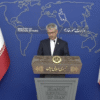
Iranian officials also maintained a cautious stance in the hours preceding the announcement, awaiting further clarification on implementation mechanisms and guarantees.
Markets Welcome the Development
Global markets reacted positively to the news, with analysts expecting improved stability in energy supplies and maritime trade routes across the Gulf.
Economists believe that sustained de-escalation between Washington and Tehran could contribute to lower geopolitical risk premiums and greater stability in international energy markets.
A Critical Test Ahead
Despite the optimism surrounding the announcement, analysts caution that the period leading up to the formal signing will be crucial in determining whether the agreement can withstand regional tensions and competing strategic interests.