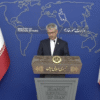









Iran announced that it intends to seek United Nations Security Council approval for any final agreement reached with the United States over its nuclear program, aiming to provide the deal with international legal backing and avoid disputes that affected previous agreements.
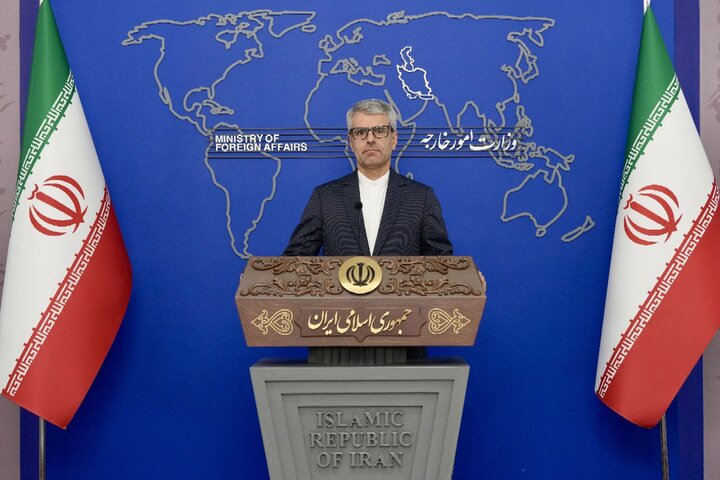
Foreign Ministry spokesman Esmail Baghaei said a final agreement is expected to be submitted to the Security Council for endorsement following a 60-day period, adding that Tehran has “learned lessons from past experiences.”
Last-Minute Negotiations
According to a source cited by Tasnim News Agency, negotiations between Tehran and Washington continued until the final moments before the announcement of the understanding, particularly regarding the opening provisions of the agreement and issues related to the Strait of Hormuz.
The source said several key disagreements remained unresolved until the final hours, prompting additional revisions to the text.
Lebanon Clause Added
Among the most notable changes was the inclusion of language emphasizing “the sovereignty and territorial integrity of Lebanon,” a provision reportedly added during the final phase of negotiations.
Hormuz Navigation Issues
The revised text also addressed maritime navigation services in the Strait of Hormuz, with both sides reportedly agreeing to exempt vessels from transit-related fees for a period of 60 days.
According to the source, Iran plans to introduce service charges for vessels using the waterway after the temporary exemption period expires.
Dispute Over Timing
The source further stated that U.S. President Donald Trump pushed for the immediate reopening of the Strait of Hormuz and the lifting of maritime restrictions upon announcement of the understanding.
Iran reportedly opposed that approach, and the parties ultimately agreed that implementation would begin after the formal signing ceremony expected in Switzerland on Friday.
Observers say the period leading up to the signing will be a crucial test of both sides’ commitment to the emerging agreement.