











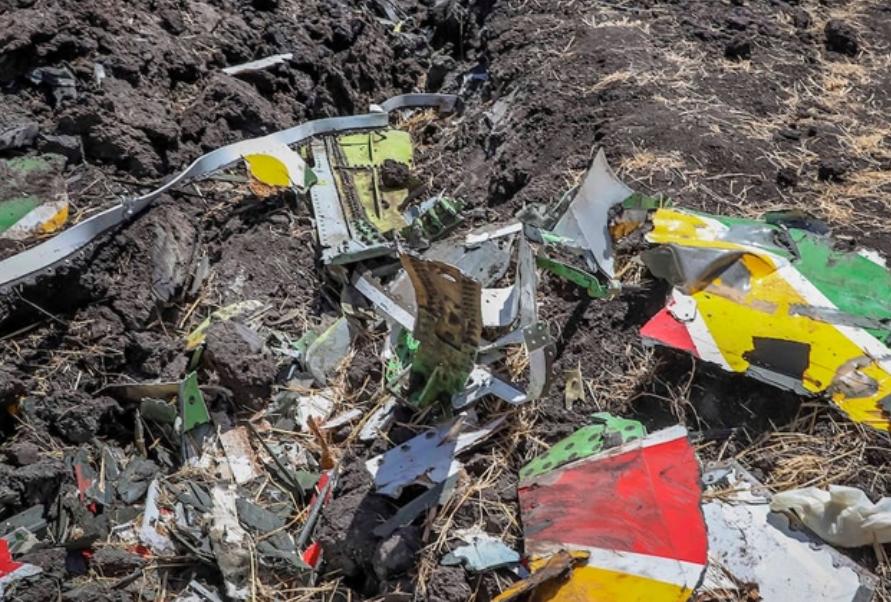
A civil trial concerning the death of Samya Stumo in the March 2019 crash of Ethiopian Airlines Flight 302 began on Monday in a federal court in Chicago, marking one of the few remaining cases tied to the two fatal Boeing 737 MAX disasters to proceed to trial.
The proceedings focus exclusively on civil liability and financial compensation for the victim’s family rather than criminal accountability. The lawsuit was filed by Stumo’s relatives against Boeing following the crash that killed all 157 people aboard shortly after takeoff from Addis Ababa on March 10, 2019.
Stumo, a 24-year-old American public health analyst, was traveling to her first assignment with the global health nonprofit ThinkWell when the aircraft went down. Her family has since become among the most prominent advocates for aviation safety reform and stronger regulatory oversight in the aftermath of the 737 MAX crisis.
The trial revisits central questions surrounding the aircraft’s Maneuvering Characteristics Augmentation System (MCAS), an automated flight-control feature introduced on the 737 MAX. Investigations into both the Ethiopian Airlines crash and the earlier 2018 Lion Air disaster concluded that faulty readings from a single angle-of-attack sensor repeatedly triggered the MCAS system, forcing the aircraft’s nose downward.
According to findings from international investigators, pilots in both incidents struggled to override the automated system, ultimately losing control of the aircraft. Together, the two crashes claimed 346 lives worldwide and led to the global grounding of the 737 MAX fleet for nearly two years.
Attorneys representing victims’ families have long argued that Boeing failed to fully disclose the existence and operational authority of MCAS to airlines and flight crews. Plaintiffs have also maintained that the system’s dependence on a single sensor represented a critical design flaw and significant safety oversight.
Boeing has previously acknowledged that MCAS played a role in both crashes and has since implemented software modifications, enhanced pilot training requirements, and additional safety measures aimed at restoring confidence in the aircraft. The company’s current leadership under CEO Kelly Ortberg has emphasized operational reforms and efforts to rebuild trust with regulators, airlines, and the flying public.
Most litigation arising from the crashes has already been resolved through confidential settlements. Of the 155 wrongful death and negligence cases filed against Boeing, only a small number remain active in court.
In November 2025, a Chicago jury awarded $28.45 million to the widower of Shikha Garg, another victim of the Ethiopian Airlines crash, in one of the most closely watched civil verdicts connected to the disaster.
Legal analysts say the Stumo case could again draw public attention to unresolved concerns about corporate accountability, aviation oversight, and aircraft certification practices in the United States. For many relatives of the victims, the proceedings represent more than a compensation dispute; they are part of a broader campaign for transparency and systemic reform within the aviation industry.
The trial is expected to continue over the coming weeks in federal court in Chicago.