



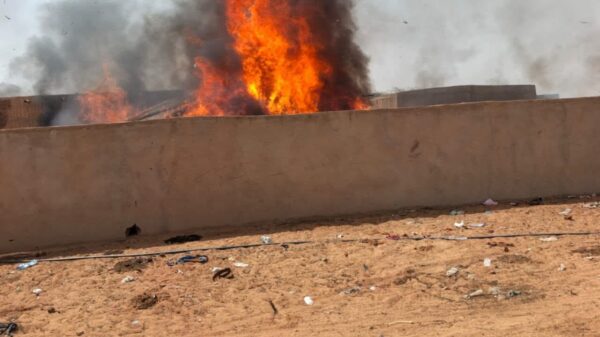









Saudi Arabia has announced the full restoration of its primary energy infrastructure following recent attacks linked to the ongoing regional conflict, marking a key step toward stabilizing global oil supply. However, the Strait of Hormuz remains critically disrupted, with maritime traffic still severely constrained.
Restoration of key facilities
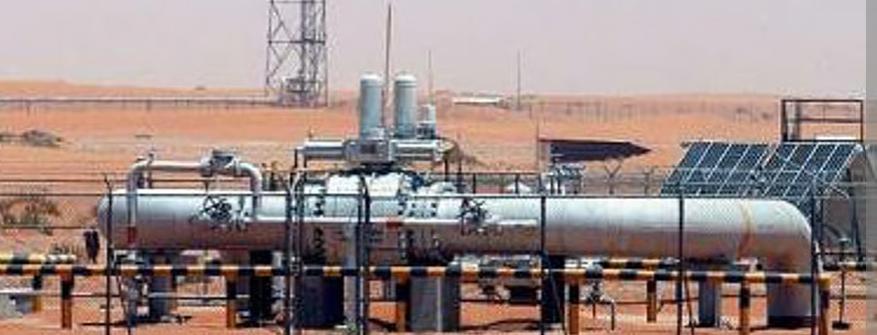
The Saudi Ministry of Energy confirmed that the East-West pipeline, linking Abqaiq to the Red Sea export terminal at Yanbu, has resumed full operations, transporting approximately 7 million barrels per day and providing a major alternative export route that bypasses the Strait of Hormuz.
Production has also fully resumed at the Manifa oilfield, adding around 300,000 barrels per day to national output. Recovery efforts continue at the Khurais oilfield, where previous attacks caused a temporary loss of 300,000 barrels per day. Authorities report steady progress but have not provided a timeline for full restoration.
The rapid recovery highlights Saudi Arabia’s focus on infrastructure resilience amid escalating regional tensions.
Strait of Hormuz remains disrupted
Despite a fragile ceasefire between the United States and Iran that began on April 7, the Strait of Hormuz continues to operate far below normal capacity. The waterway, which carries about 20% of global oil and gas shipments, remains largely inaccessible to commercial vessels.
Shipping data shows that only 22 vessels exited the strait between April 8 and April 10, compared to a pre-crisis daily average of about 135, indicating near-total disruption.
Naval mines, reportedly deployed during the escalation, remain the primary obstacle. These mines are largely unmapped, posing significant risks to navigation. U.S. naval forces have begun clearance operations, but the process is complex and time-consuming.
Additional reports indicate continued attempts to impose transit fees on vessels, further discouraging shipping activity even under ceasefire conditions.
Impact on global markets
The disruption continues to exert upward pressure on global energy prices, despite Saudi efforts to reroute exports. Market volatility remains high as supply risks persist.
Analysts warn that a prolonged closure of the strait could have significant economic consequences, particularly for energy-importing countries.
Outlook
While Saudi Arabia’s recovery efforts provide some stability, the unresolved security risks in the Strait of Hormuz remain a major concern.
The pace of mine-clearing operations, adherence to the ceasefire, and broader geopolitical developments will determine when normal shipping activity can resume.