










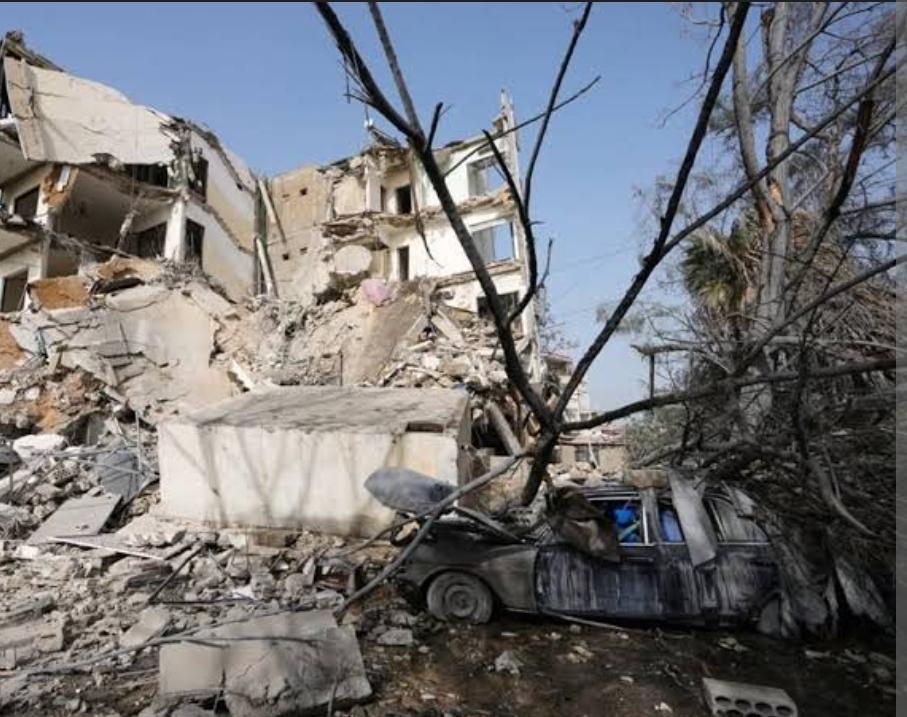
Lebanon is facing a rapidly deteriorating security and humanitarian situation as hostilities between Israel and Hezbollah intensify, despite a broader ceasefire between the United States and Iran, highlighting a widening gap between diplomatic efforts and realities on the ground, with civilians bearing the brunt.
Intensified military activity
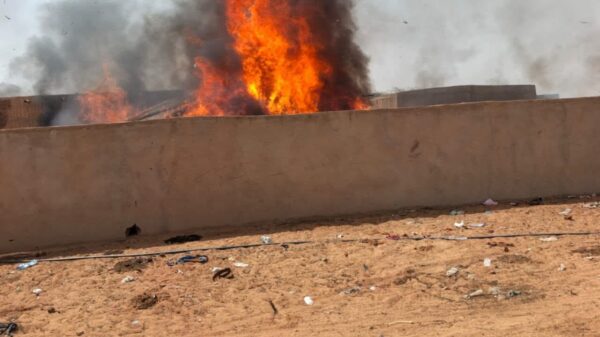
Over the past 48 hours, southern Lebanon and parts of Beirut have witnessed a sharp surge in military operations. Israeli forces carried out more than 50 airstrikes within 24 hours, targeting areas including Bint Jbeil, Hanawya, Aita al-Shaab, and Haneen.
Local reports indicate widespread destruction of residential neighborhoods and critical infrastructure, particularly bridges over the Litani River.
Hezbollah responded by escalating rocket attacks toward northern Israeli towns such as Kiryat Shmona, Metula, and Misgav Am, and claimed responsibility for a missile strike on Israel’s Ashdod naval base, citing alleged violations of the ceasefire framework.
The human toll continues to rise. Lebanon’s Ministry of Public Health reported more than 300 deaths in coordinated strikes earlier this week, bringing the total death toll since March 2 to over 1,800.
Worsening humanitarian and food crisis
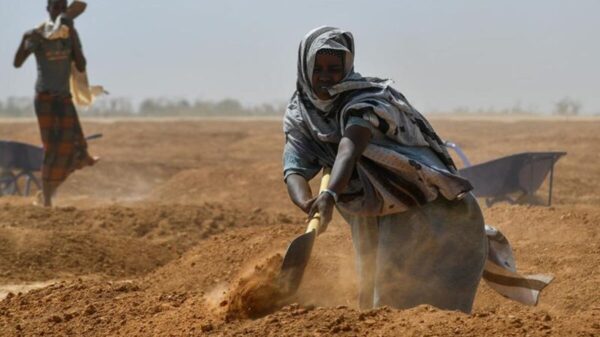
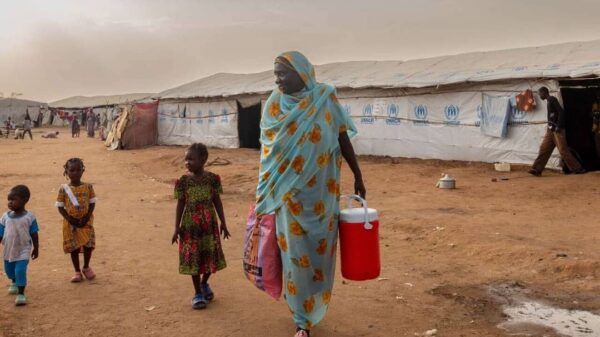
International organizations warn that Lebanon’s crisis is shifting from mass displacement to acute food insecurity. The World Food Programme reported that over 80% of markets in southern Lebanon have collapsed due to disrupted supply chains and rising prices.
Children remain among the most affected. The UNICEF described the situation as “devastating and inhumane,” reporting around 600 children killed or injured since early March. Of nearly one million displaced people, about 390,000 are children.
Healthcare systems are also under strain. The World Health Organization confirmed receiving assurances that key hospitals, including Rafik Hariri University Hospital and Al Zahraa Hospital, would not be targeted, though the system remains overwhelmed.
Diplomatic efforts face obstacles
The escalation comes at a critical moment for diplomacy. A two-week U.S.–Iran ceasefire, brokered with Pakistani mediation, was intended to de-escalate tensions but has seen uneven implementation, particularly regarding the reopening of the Strait of Hormuz.
Attention is now turning to a planned high-level meeting in Washington next week involving the United States, Israel, and Lebanon. Lebanese officials view it as a necessary step, though early indications suggest preliminary rather than decisive talks.
Outlook
With violence intensifying and humanitarian conditions worsening, Lebanon stands at a precarious crossroads. The gap between diplomacy and battlefield realities raises serious concerns about the effectiveness of short-term ceasefires.
Without a coordinated and enforceable framework, the risk of further escalation and a deeper humanitarian crisis remains high.