












The security and humanitarian situation in the Gaza Strip and the occupied West Bank remains highly volatile six months after the ceasefire, with continued violence, stalled negotiations, and worsening living conditions for civilians.
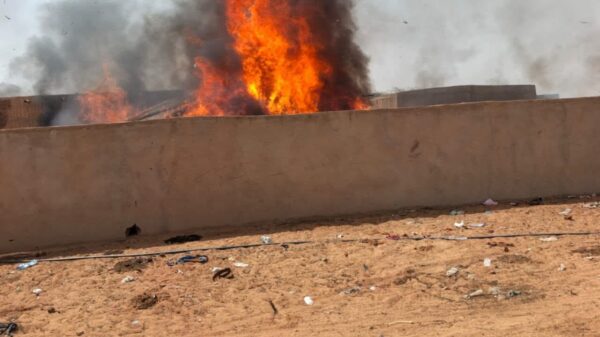
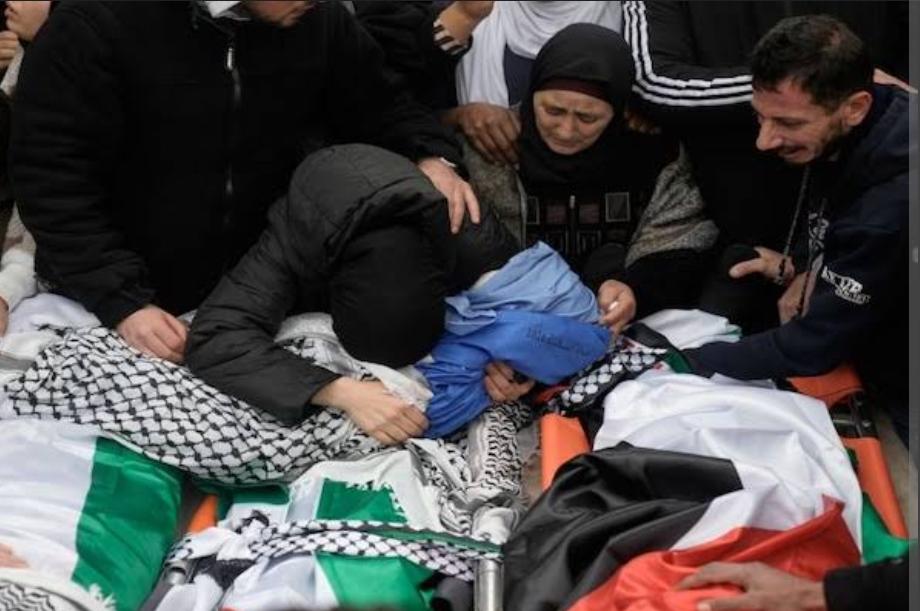
In Gaza, hostilities persist despite ongoing diplomatic efforts to stabilize the truce. Medical sources reported that at least three Palestinians were killed in an Israeli airstrike targeting a group near a school in Deir al-Balah, following earlier strikes that killed seven people in the Bureij refugee camp and near Khan Younis.
Data from the Gaza Ministry of Health and international organizations indicates that more than 750 Palestinians have been killed since the ceasefire took effect, highlighting the fragility of the agreement and the challenges facing mediators.
Negotiations continue in Cairo, where representatives of Hamas and other Palestinian factions are engaged with regional mediators to advance the second phase of a ceasefire plan. However, the issue of Hamas disarmament remains a key obstacle, seen as a central condition for unlocking reconstruction efforts.
In the West Bank, tensions are also rising as Israeli forces conduct coordinated raids across multiple cities, arresting at least 30 Palestinians, including minors and previously released detainees, as part of intensified security measures.
Settler-related violence has also increased, with reports documenting growing incidents of property damage and forced displacement, further exacerbating instability in the territory.
These developments unfold within a complex legal and diplomatic context, as the advisory opinion issued by the International Court of Justice in July 2024—declaring the occupation illegal and calling for the evacuation of settlements—continues to shape international debate.
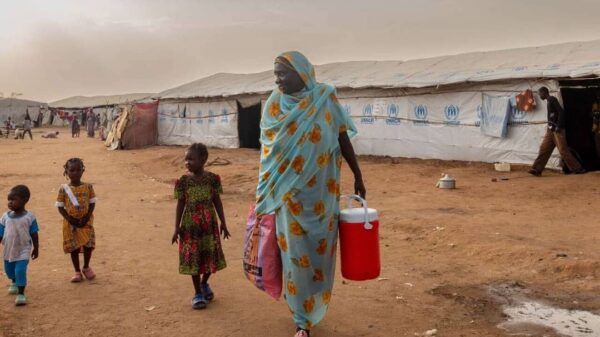
Humanitarian conditions have deteriorated sharply, with recent assessments concluding that the ceasefire has largely failed to ensure civilian protection or facilitate adequate humanitarian access.
Aid delivery remains heavily restricted, leading to severe shortages of food, medical care, and essential services for civilians.
Observers warn that without meaningful progress in negotiations and improved humanitarian access, the situation risks further deterioration, potentially undermining the fragile ceasefire and deepening regional instability.