






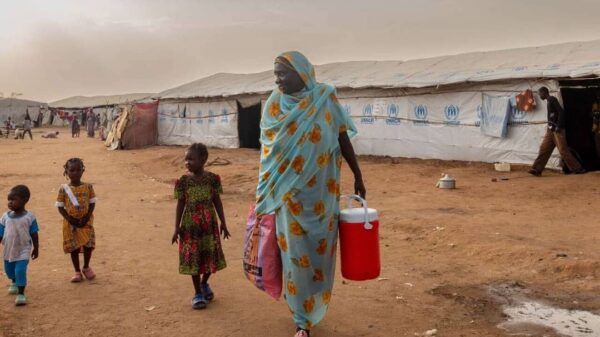



An astonishing 2.8 billion people worldwide lack access to adequate housing, secure land and basic water and sanitation services, the UN-Habitat Assembly has said.
The UN’s urban development agency estimated that the figure accounted for around 40 per cent of the global population.
This includes more than 1.12 billion people living in slums or informal settlements while an additional 300 million face absolute homelessness, lacking any form of stable shelter
The Executive Director of UN-Habitat, Anacláudia Rossbach, underscored the scale and urgency of the housing crisis and called for coordinated global action anchored in human rights, dignity and multilateral solidarity.
“Without action, this crisis will continue to undermine efforts to reduce poverty, advance equality, and deliver on the Sustainable Development Goals,” Rossbach said.
The crisis was particularly acute in rapidly urbanising regions such as Africa and the Asia-Pacific.
As cities grow, housing development and infrastructure fail to keep pace, leading to a dramatic increase in informal and inadequate living conditions.
In Africa, 62 per cent of urban dwellings are informal. In the Asia-Pacific region, over 500 million people lack access to basic water services, and more than a billion live without adequate sanitation.
As climate change intensifies, those without formal, quality housing and services face growing risks from extreme heat, severe weather events, and water scarcity.
Finding sustainable solutions to the housing crisis is central to advancing global sustainable development.
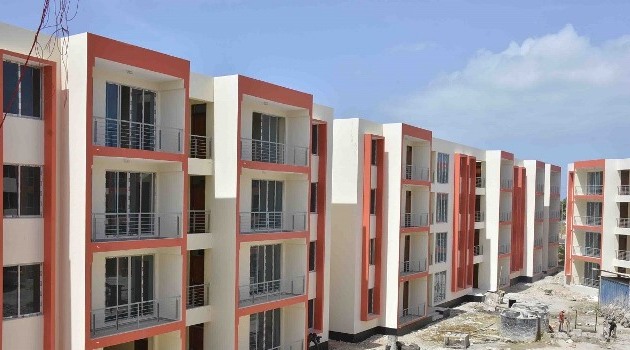
Quality housing is not only a basic human right, it also drives job creation, boosts national income, saves lives, and lays the foundation for better health, education, and economic mobility.
To address this crisis, delegates discussed collaboration and policy planning, with the major summit aimed to addressing the pressing and deeply intertwined issue.
“This Assembly represents the highest global platform for normative discussions on sustainable urbanisation and human settlements.
“It is a moment of collective reflection, renewed political will and forging consensus for the future we seek for our cities and communities,” Rossbach said.
A key focus of the Assembly was the adoption of UN-Habitat’s Strategic Plan for 2026–2029, which aimed to prioritise adequate housing, access to land and basic services and the transformation of informal settlements.
Th plan outlined three main impact areas namely, inclusive prosperity, preparedness, recovery and reconstruction, and climate sustainability, which pillars were designed to accelerate progress toward the Sustainable Development Goals.
The plan also emphasised strengthening collaboration with other UN agencies to achieve shared objectives.