







Mali’s military balance of power has undergone a notable shift following a series of collapses affecting army bases, particularly in the northern and central regions, highlighting a significant change in the dynamics of the conflict.
Field data and international reports indicate that weapons supplied to Mali under international counterterrorism partnerships are now forming a core component of the arsenals of armed and insurgent groups.
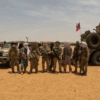
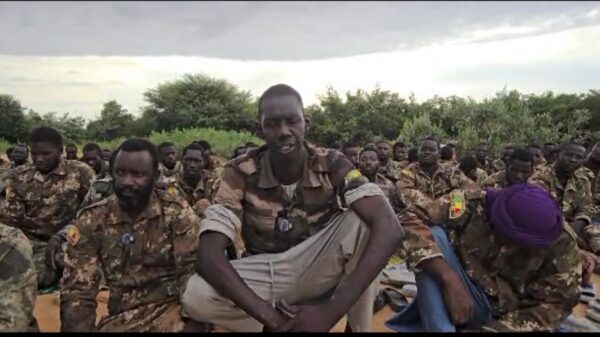
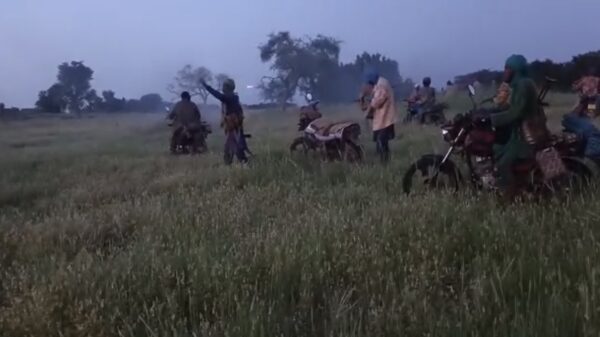
In the north, reports indicated that the Azawad Liberation Front has taken control of the city of Kidal and its military bases following the withdrawal or surrender of government forces, while circulating footage showed fighters seizing heavy and advanced military equipment in areas such as Aguelhok, Tessalit, and Tissi.
These assets reportedly include armored vehicles and sophisticated military equipment captured after brief clashes that ended with the withdrawal of Malian army units or their abandonment of positions.
These developments highlight a notable paradox, as information suggests that a large portion of these weapons had been supplied by European and other international partners to strengthen Mali’s defense capabilities, but are now being used by armed groups.
This trend has raised concerns among international actors about its impact on counterterrorism efforts, with observers noting that years of training and military support may have ultimately enhanced the operational capacity of such groups.
The shift is also linked to changes in security partnerships following the withdrawal of French forces and the United Nations mission, and their replacement with cooperation involving Russian-linked elements, amid reports of withdrawals from military positions that created vacuums exploited by armed groups.
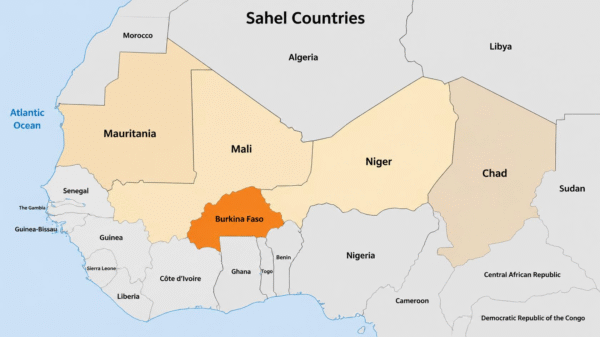
Concerns are growing that the spread of these weapons could expand the conflict beyond Mali’s borders, increasing the risk of spillover into neighboring countries across the Sahel.
Observers say these developments raise questions about the effectiveness of arms supply and military assistance policies, as some of these resources appear to be prolonging the conflict rather than containing it.