










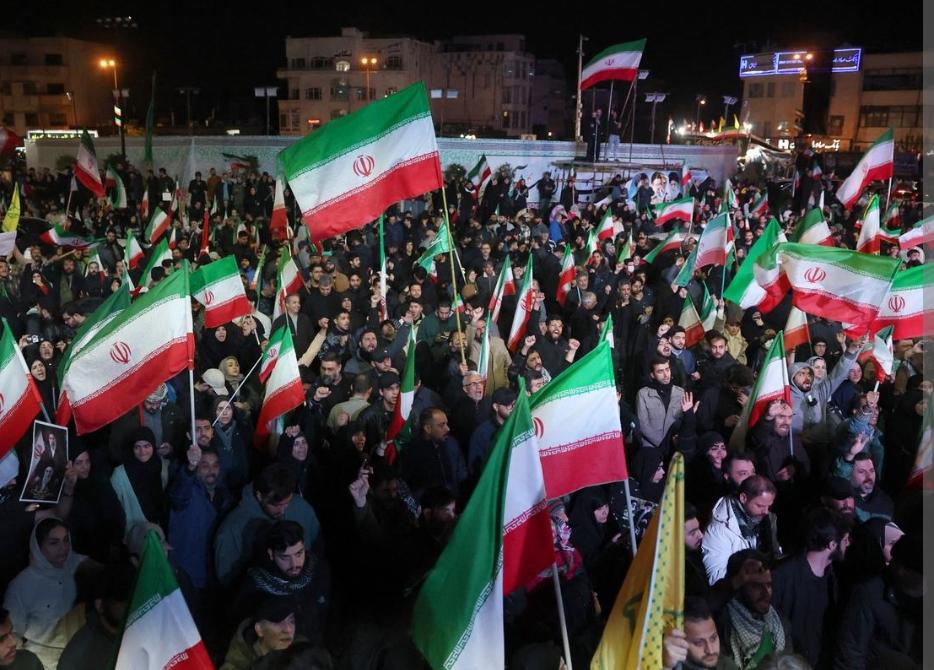
The international community has broadly welcomed the implementation of a two week ceasefire between the United States and Iran viewing it as a critical opportunity for diplomacy.
The agreement follows a period of intense military escalation and is now seen as a window for broader negotiations.
Pakistan has announced a high level summit in Islamabad on April 10 bringing together key stakeholders to work toward a lasting settlement.
The UN Secretary General called for maximum restraint and urged parties to address underlying causes of the conflict including humanitarian conditions in Iran and Lebanon.
European leaders described the ceasefire as a diplomatic success and expressed readiness to support maritime security monitoring in the Gulf.
Iran has reopened the Strait of Hormuz a vital route for global oil shipments.
Maritime authorities have advised maintaining the highest security level as joint monitoring with Oman is established with early tanker movements seen as a key test.
Despite the ceasefire tensions remain elsewhere with Israel continuing operations against Hezbollah in Lebanon outside the agreement.
In Iraq officials expressed relief at the halt of retaliatory strikes that had threatened stability.
Indonesia has called for an independent investigation into the deaths of UN peacekeepers in Lebanon highlighting ongoing concerns about accountability.
The ceasefire has helped stabilize energy markets with oil prices easing though volatility remains.
Major economies continue to monitor supply chains and energy security risks.
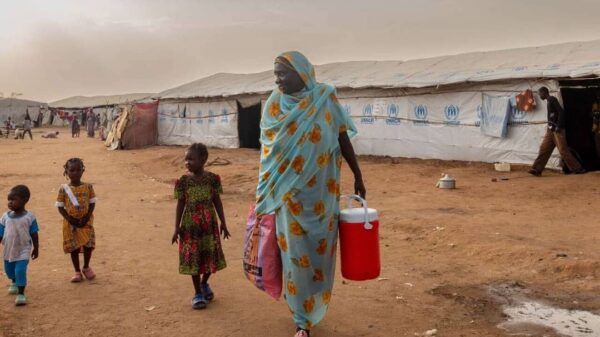
Humanitarian agencies are seeking access to affected areas in Iran to verify casualties and deliver aid with preliminary estimates indicating more than 1900 deaths.
Analysts say the success of the ceasefire will depend on compliance monitoring and progress at the Islamabad summit.
The coming days are expected to determine whether the truce evolves into lasting peace or remains temporary.