








The conflict in Lebanon has entered a critical phase as intensified military operations and a rapidly worsening humanitarian situation raise alarm among international organizations and regional observers.
Israeli military operations have expanded significantly with fighting concentrated in southern Lebanon particularly in the Jabal Amel region and key towns such as Kfar Rumman and Nabatieh.
Continuous airstrikes and artillery shelling have targeted vital infrastructure including bridges and major transport routes.
Humanitarian agencies warn that the destruction of these routes is isolating communities south of the Litani River and complicating evacuation and aid delivery.
In Beirut tensions have escalated following evacuation orders for seven neighborhoods in the southern suburbs after a strike in Ain Saadeh killed three people including a political figure and his spouse.
The strike signals an expansion of hostilities into areas previously less affected.
Military sources report that hundreds of targets have been hit in recent days as part of operations aimed at infrastructure linked to Hezbollah and allied forces.
The human toll continues to rise with at least 1461 people killed and more than 4000 injured since the escalation began.
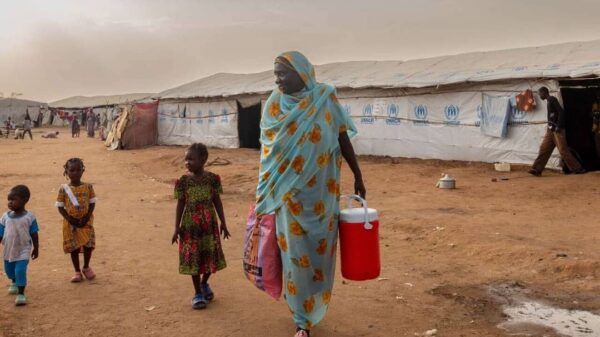
Displacement has surged to around 1.2 million people representing nearly a quarter of the population.
Damage to infrastructure has disrupted access to clean water and basic services worsening living conditions.
Aid organizations warn of severe risks for vulnerable groups including thousands of pregnant women lacking adequate healthcare.
Humanitarian funding remains insufficient despite urgent appeals for support.
The escalation is unfolding within a broader regional confrontation involving the United States Israel and Iran raising fears of wider conflict.
The Strait of Hormuz remains a key flashpoint with a deadline approaching amid mutual threats.
With military operations ongoing and diplomatic options limited the situation in Lebanon remains highly volatile.