










The European Union has removed six African countries, including South Africa, from its list of jurisdictions deemed “high risk” for financial crime, after they had been placed on the Financial Action Task Force’s so-called “grey list” in 2023.
The decision followed an assessment of reforms implemented by South Africa to strengthen its anti-money laundering and counter-terrorism financing frameworks, a move seen as international recognition of Pretoria’s efforts to improve financial oversight.
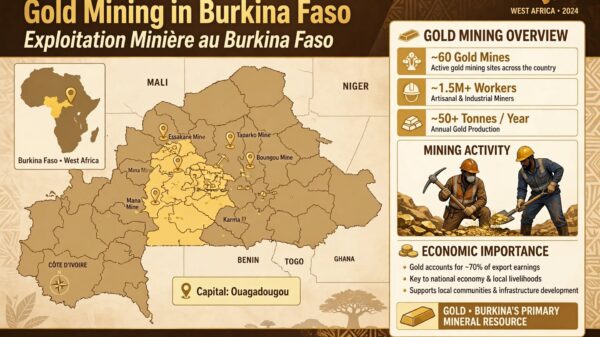
The decision was not limited to South Africa. Burkina Faso, Mali, Mozambique, Nigeria and Tanzania were also removed after introducing regulatory reforms during 2025, allowing them to exit enhanced monitoring and regain the confidence of international financial institutions.
Analysts say the move is expected to improve the investment climate in the affected countries, which had previously faced restrictions that discouraged foreign investment and increased transaction costs.
The decision is also expected to facilitate trade and financial flows with the European Union, one of Africa’s largest trading partners, while supporting economic growth and capital inflows across the region.
Broader context
Placement on high-risk financial lists limits countries’ access to international banking services and subjects transactions to stricter scrutiny, weighing on economic activity. Removal from such lists is widely viewed as a vote of confidence in reform efforts.
The EU move follows the removal of the same countries from lists maintained by the Financial Action Task Force and British authorities in October 2025, reflecting growing international consensus on recognising their reforms.